
Trickle Vents for Timber Windows Explained
September 8, 2026 | News | Written by Nicola Harrison
When investing in new windows for your home, the focus is naturally on beauty, security, and warmth. However, one small detail often sparks questions for homeowners during a home improvement project: trickle vents.
To help you make an informed decision for your home, this guide explores everything you need to know about trickle vents for timber windows, explaining how they work, why they are required, and how they fit into modern home designs.

What are trickle vents and how do they work?
A trickle vent is a small slot typically built into the top of a window frame. Its purpose is to allow a small, continuous flow of fresh air into a room even when the window itself is securely closed and locked.
Modern properties are built to be highly airtight to reduce heat loss, and older homes are increasingly upgraded with high-performance draft proofing. While this is excellent for keeping your home warm, it can trap stale air indoors.
A trickle vent functions passively, using natural pressure differences to draw out moisture-laden internal air and replace it with fresh outdoor air. Most vents feature a simple manual shutter mechanism on the inside, allowing you to open or close the airflow manually depending on the weather conditions outside.
Fighting damp: ventilation and condensation control benefits
The primary daily benefit of trickle vents is maintaining healthy indoor air quality and managing moisture levels. Everyday household activities like cooking, showering, drying clothes indoors, and even breathing release litres of water vapour into the air every single day.
Without adequate background ventilation, this moisture quickly settles on cold surfaces, leading to window condensation, dampness, and eventually black mould growth. Mould spores pose documented risks to respiratory health and can permanently damage internal plasterwork, paint, and timber finishes.
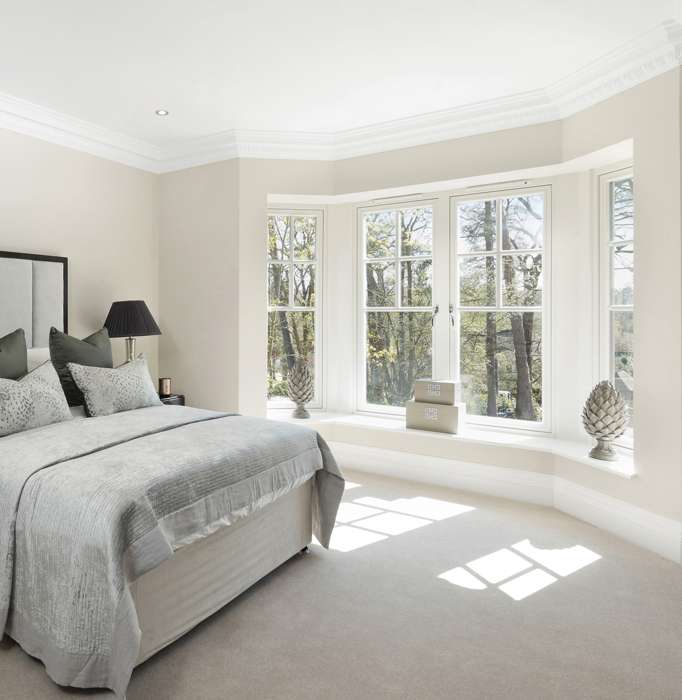
How damp affects your living space
Without proper ventilation in your home, air becomes stale and humidity (caused by everyday activities like cooking, drying laundry and washing) lingers without any way of escaping. Over time, this excess humidity in your home can cause window condensation, damp, mould growth and can even lead to rotting wood.
By providing a constant path for air exchange, trickle vents help stabilise internal humidity levels. This consistent airflow clears out airborne pollutants and stale air before they can cause structural or health issues, keeping your living spaces fresh and dry.
Navigating the law: UK Building Regulations compliance
Understanding the legal requirements surrounding background ventilation is crucial when planning to install replacement windows. The rules are governed strictly by the UK building regulations, specifically Building Regulations Part F, which deals with ventilation requirements.
In June 2022, the UK government introduced stricter updates to Part F to ensure that as homes become more energy-efficient, they do not become poorly ventilated. Under these rules, if your existing windows already have trickle vents, your replacement windows must also have them.
Furthermore, if you are replacing windows that do not currently have vents, the new regulations state that the replacement windows must be fitted with trickle vents to ensure the property meets modern safety standards. Failing to comply with these rules can create major issues when you eventually try to sell your property, as surveyor reports will flag the lack of compliant ventilation.
Striking the balance: impact on energy efficiency
A common concern among homeowners is whether having a physical slot in the window frame will conflict with the energy efficiency of high-quality timber windows. It is natural to worry that vents will cause unwanted draughts or cause heating bills to spike.
However, modern trickle vents are precisely engineered to prevent this. The amount of air that passes through a vent is carefully regulated. Additionally, new technologies like mechanical ventilation with heat recovery (MVHR) are becoming increasingly popular, and are often used in specialised eco-builds or when ventilation is required while maintaining warmth. For many homeowners, passive vents remain the most practical, cost-effective way to protect air quality without sacrificing the thermal performance of your double or triple glazing.
The tiny amount of controlled air exchange is far more efficient than opening a whole window in the dead of winter, which dumps vast amounts of heat outside instantly.
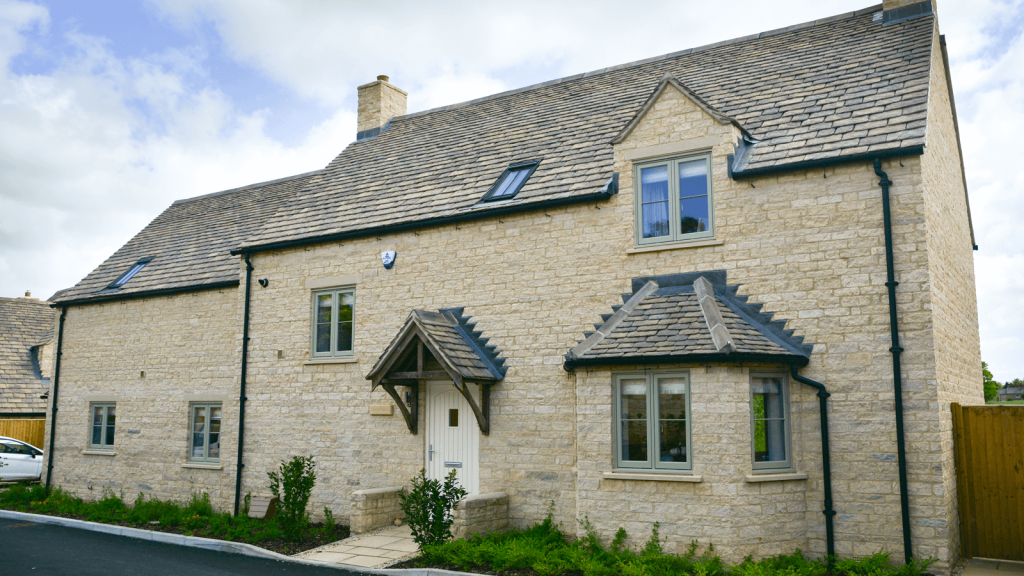
Concealed beauty: aesthetic considerations with Bereco’s timber designs
At Bereco, we believe that satisfying building regulations should never mean compromising on the visual appeal of your home. Standard plastic vents can look intrusive on a beautifully crafted wooden window, which is why we approach design differently.
Our trickle vents for timber windows are integrated into the timber profiles to remain as discreet as possible. Whether you choose traditional sash windows or modern casement windows, we offer colour-matched vent covers that blend in with your chosen paint or stain finish. This ensures that the clean, elegant lines of the timber window frame are preserved, allowing the rich natural texture of the wood to remain the focal point of the installation.
The big question: do you need trickle vents?
For the vast majority of homeowners replacing windows or undertaking home improvements in the UK, the answer is yes, due to the legal requirements of building regulations part F. However, there are a few specific scenarios to consider:
- Standard replacements: If you are replacing windows in an existing home, you will almost certainly require them to comply with current law and protect your property from damp.
- Conservation areas and listed buildings: If your home is in a designated conservation area or is a listed building, standard rules may differ. Local planning authorities often restrict external alterations to preserve historical accuracy. In these cases, alternative ventilation methods may need to be approved, or specialised, hidden vent solutions must be used.
- Properties with mechanical ventilation: If your home features a continuous mechanical extract ventilation system or an MVHR system, you may be exempt from needing window vents entirely, as the air quality is managed mechanically. You may also not need trickle vents if your property has air bricks or other means of background ventilation that provides suitable airflow.
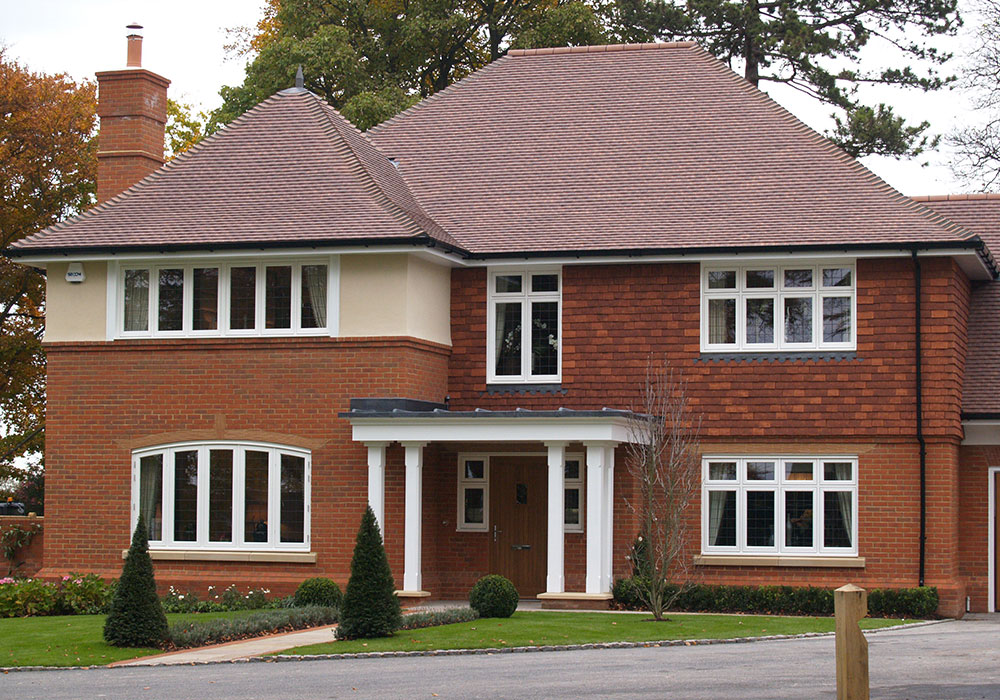
Consult the timber window experts
Choosing the right features for your new windows can feel complex, but you do not have to figure it out alone. At Bereco, our knowledgeable team is dedicated to guiding you through the technical details, ensuring your beautiful new timber windows are fully compliant, highly energy-efficient, and perfectly suited to your home’s unique character.
Get in touch with the Bereco team today to discuss your project:
- Call our specialists directly: 01709 838188
- Send us your details online: Fill out our online contact form to request a comprehensive consultation.