A Guide To Replacement Windows in Conservation Areas
June 11, 2026 | News | Written by Nicola Harrison
Replacing windows in a conservation area is rarely straightforward. Rules are tighter, materials are scrutinised, and the local planning authority will want to see that new windows respect the area’s character. For homeowners, knowing the process inside out is invaluable.
This guide breaks down what you need to know about replacement windows in a conservation area, from planning permission to product specification, so you can deliver a project that passes planning and performs for decades.
Overview
- Conservation area windows usually require planning permission, and permitted development rights are often restricted.
- Timber windows are almost always the preferred material for historic buildings.
- Bereco supplies FSC® 100% or 100% PEFC Certified timber windows with an up to 60+ year lifespan.
- Double glazing starts at 1.3 W/m²K (7% better than Part L 2023); triple glazing starts at 0.8 W/m²K (43% better).
- Get the conservation officer onside early to avoid delays.
What is a conservation area?
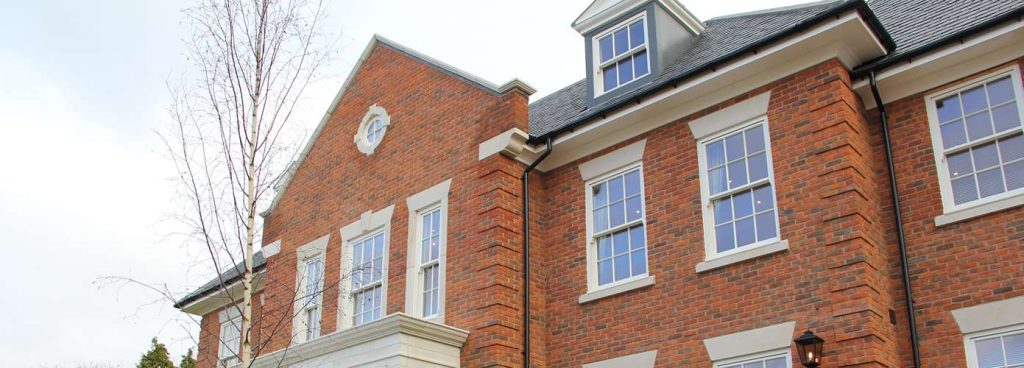
A conservation area is a designated area of special architectural or historic interest. The designation of a conservation area protects the street scene, architectural features and historic character from unsympathetic change.
There are over 10,000 conservation areas in England alone, each managed by the local council. Historic England provides national guidance, but it’s your local planning authority that signs off proposed changes.
Do you need planning permission for replacement windows in a conservation area?
In most cases, yes. Conservation area status often removes or limits permitted development rights, meaning minor alterations that would normally be allowed elsewhere need full planning permission here.
Key points to check before replacing your windows:
- Listed building status: listed building consent is required in addition to planning permission if your property is listed.
- Article 4 directions: these remove permitted development rights for specific works, including new windows.
- Local authority policies: every local council sets its own additional restrictions.
- Like for like rules: some councils allow replacements that exactly match original windows without a planning application.
The Planning Portal is a good starting point, but a quick call to your conservation officer is usually the fastest way to confirm what’s needed.
Working with your conservation officer
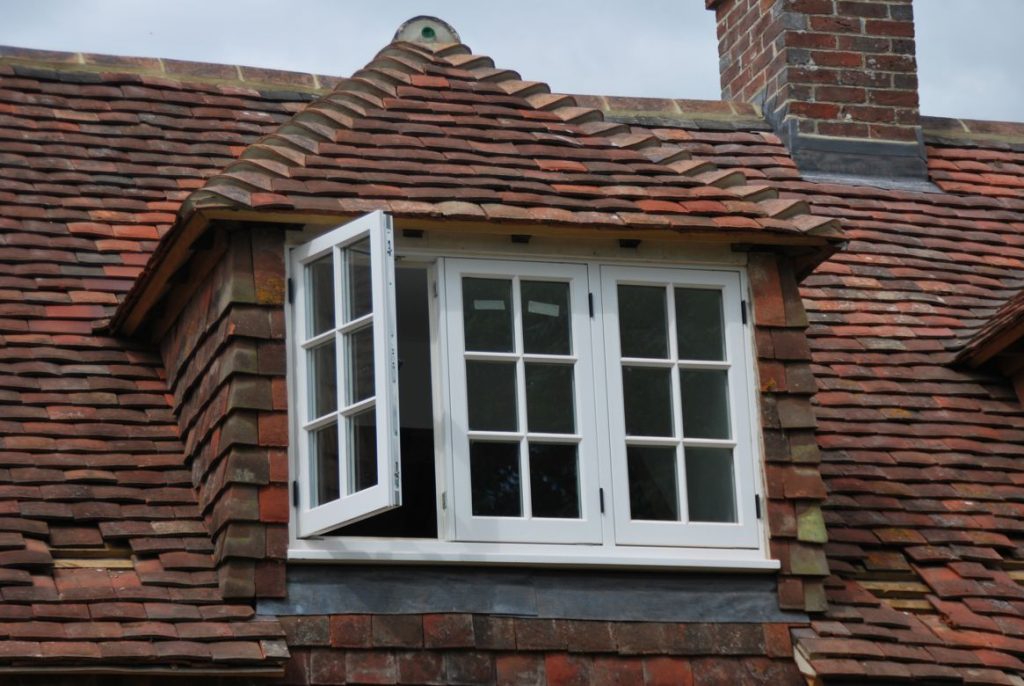
The conservation officer plays a major role in heritage projects. Their job is to protect the historic interest of a place, so engaging them early is a good idea.
Bring to the conversation:
- Photos of your existing windows
- Details of the proposed changes, including frame material, method of opening and glazing
- Drawings showing slim sightlines and mouldings
- Evidence of how the design respects the area’s character
A planning officer will usually want to see that new windows match the original design in proportion, profile and operation.
Why timber is the right choice
For conservation area projects, timber windows are almost always specified over uPVC windows or aluminium windows. Here’s why:
- Authentic look: timber replicates the look of older windows in a way modern materials can’t.
- Repairable: unlike uPVC windows, wooden windows can be maintained and repaired.
- Sustainable: responsibly sourced timber has the lowest embodied carbon of any window material.
- Approved: Historic England and most local planning authorities favour timber for historic buildings.
uPVC and aluminium rarely pass in conservation areas because they lack the depth, detail and authenticity required.
Balancing heritage with energy efficiency
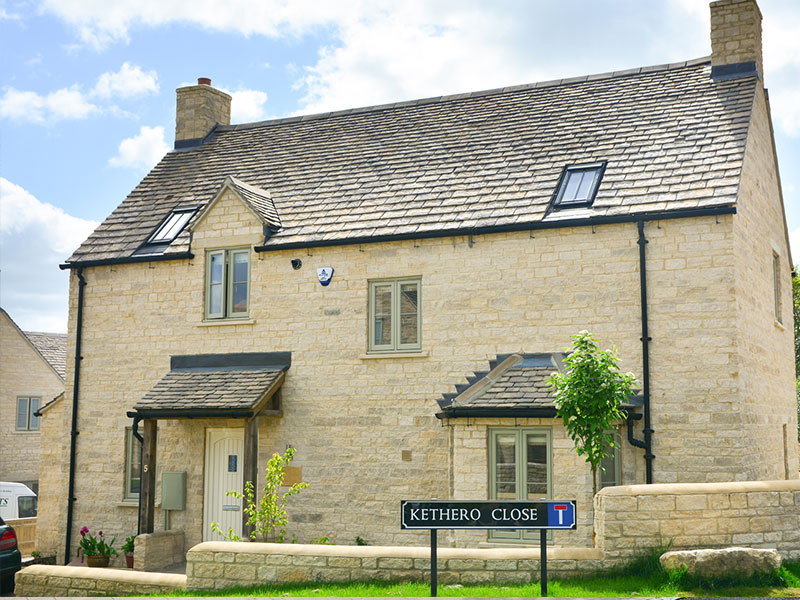
Older windows are often single glazed and leak heat. Modern double glazing and slimline options now allow you to reduce heat loss significantly while keeping a period appearance.
Bereco’s numbers (as of 2026):
Double glazed timber windows: U-values from 1.3 W/m²K, 7% better than current regulations
Triple glazed timber windows: U-values from 0.8 W/m²K, 43% better than current regulations
Where full double glazing isn’t permitted, secondary glazing or slimline units in a Heritage profile can offer a sympathetic compromise.
The Bereco range for conservation area windows
With over 20 years of experience supplying wooden windows to homeowners across the UK, Bereco offers specific options for heritage projects.
Heritage range
Designed for listed buildings and conservation area windows where authenticity is critical.
- Available with single or slimline double glazing
- Lambs tongue mouldings for period accuracy
- Slim sightlines that replicate original sash windows
- Note: acoustic glass is not compatible with the Heritage range
Traditional range
For conservation area projects where standard double or triple glazing is acceptable.
- Double or triple glazing options
- Selection of lambs tongue or ovolo mouldings
- Compatible with the Ambient acoustic range (up to 42dB sound reduction)
Types of windows available
Flush sash windows: flush casement windows that sit neatly within the frame, ideal for cottages and rural properties.
Lipped casement windows: traditional storm-proof profile.
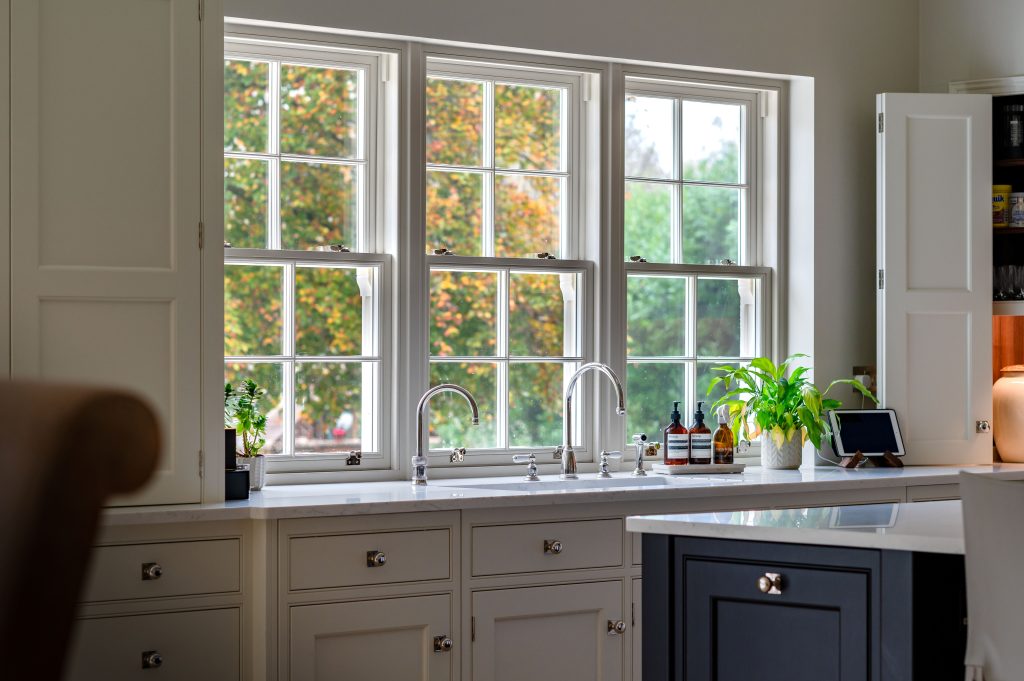
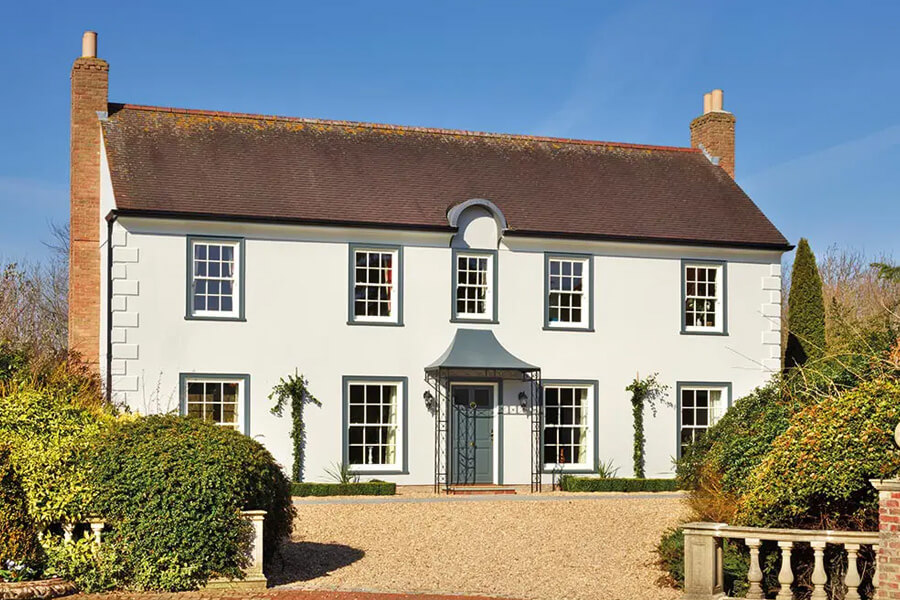
Sliding sash windows: authentic replacements for original sash windows in Georgian, Victorian and Edwardian homes.
Tilt and turn windows: usually specified for contemporary builds rather than heritage work.
Every window is made from FSC® 100% or 100% PEFC Certified softwood or hardwood, with an up to 60+ year lifespan and a 10-year warranty.
FAQs
Can I replace windows in a conservation area without planning permission?
Occasionally, yes. If the replacement is genuinely like for like in material, profile and method of opening, some councils allow it without a planning application. However, rules vary between local authorities, so always confirm directly with your local planning authority before ordering or installing.
Are uPVC windows ever allowed in conservation areas?
Very rarely. Most local planning authorities reject uPVC windows in favour of timber, particularly on front elevations, listed buildings or properties with strong historic interest. Timber windows replicate the look of older windows far better and are widely supported by Historic England and conservation officers.
How long does a planning application take for replacement windows?
A standard planning application usually takes around eight weeks from validation. Heritage projects, listed buildings or schemes requiring listed building consent can take longer, especially if the planning officer requests additional drawings, surveys or amendments to the proposed changes before approval is granted.
What if my property is a listed building?
Listed buildings require listed building consent in addition to planning permission. Close attention must be paid to the original design, architectural features and method of opening. Any replacement of windows should match the originals exactly, which is why timber sash windows are usually specified.
Do I need specialist fitters for conservation area windows?
Yes, ideally. Fitters should have years of experience with heritage projects and understand the specific requirements of building consent and building control. Correct installation protects the area’s character, achieves modern performance standards and ensures your new windows last the full up to 60+ year lifespan.
Get expert advice from Bereco: contact us today
Bereco has supplied timber windows for thousands of conservation area and listed building projects across the UK. Our team can support you from specification through to installation, helping you meet planning conditions without compromising on performance.
Get in touch for a free quote or to discuss your project. You can use our online contact form, call us on 01709 838188 or email info@bereco.co.uk .