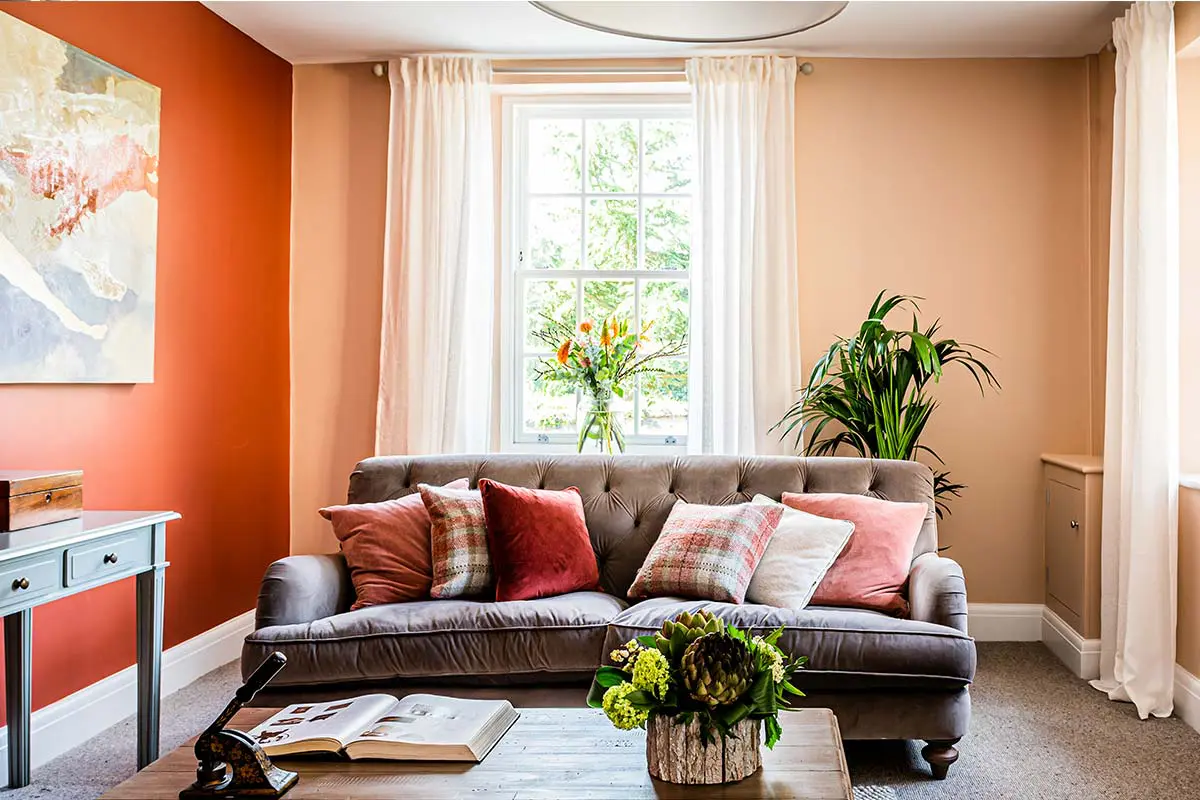
Triple glazing typically costs 20% to 30% more than standard double glazing, with the final price shaped by frame material, window size, specification and project scale.
For trade professionals, the real value lies in long-term energy savings, and compliance with Part L 2023. Bereco supplies high-performance timber triple glazed windows and doors with U-values from 0.8 W/m²K, which is 43% better than building regulations require.
Why triple glazing matters for trade projects
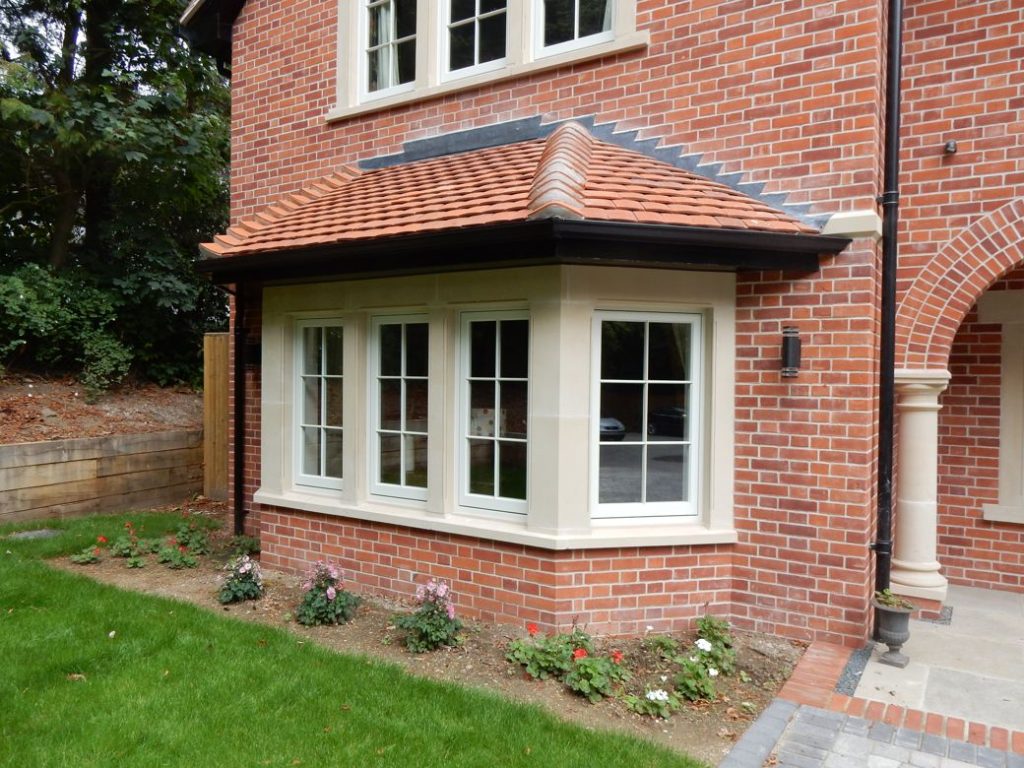
Triple glazing is no longer a premium add-on reserved for Passivhaus projects. It is now a practical choice for new builds, renovations and premium residential developments across the UK. With rising energy costs, tighter building regulations and growing demand for better thermal insulation, more developers, installers and architects are specifying triple glazed windows as standard.
But how much does triple glazing cost in 2026? And when is it the right choice over modern double glazing?
This trade guide breaks down the average cost of triple glazing, the factors that influence pricing, and how it compares with double glazing, so you can advise clients with confidence.
How much does triple glazing cost?
There is no single answer. The cost of triple glazing varies depending on frame material, window size, style and project scale. In simple terms, expect to pay roughly 20% to 40% more for triple glazing than for standard double glazing of the same window style.
What is included in the overall cost?
When pricing a triple glazed window, the overall cost usually covers:
- The window unit itself (three panes of glass, spacers, gas fill)
- The frame material and frame type
- Ironmongery and finishes
- Delivery/supply
What factors affect the cost of triple glazing?
-
Frame material
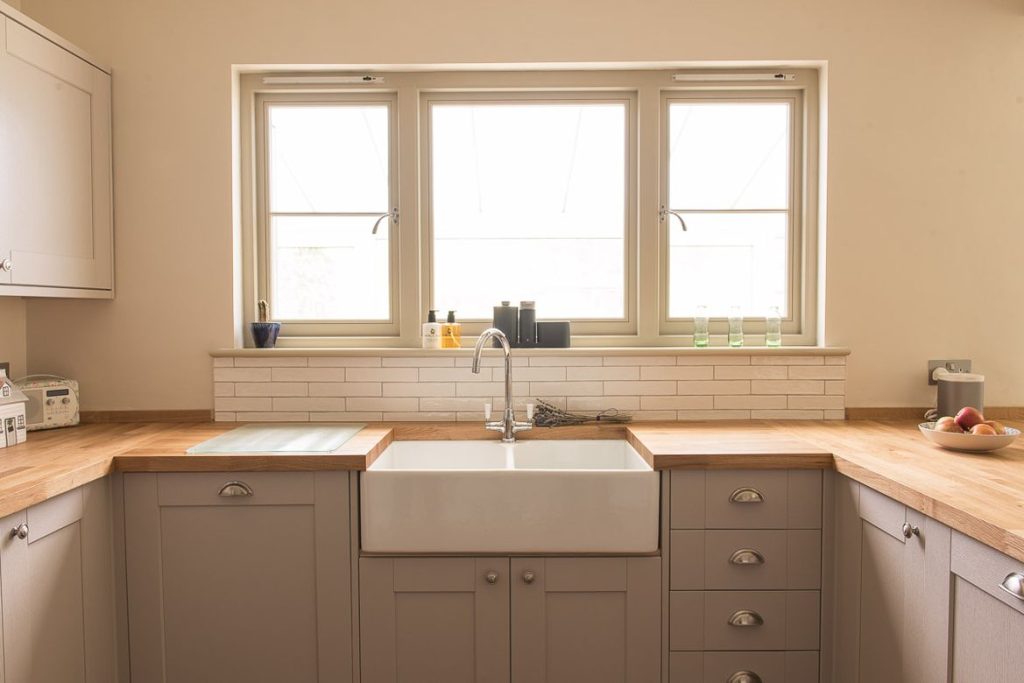
Frame material has the biggest single impact on windows prices. uPVC windows are the cheapest option but have a shorter lifespan and limited design appeal. Aluminium frames offer slim sightlines but conduct heat more readily.
Timber frames deliver better thermal insulation, a longer lifespan and a premium finish suited to heritage and high-end new builds.
-
Window size
Larger windows use more glass and require stronger frames to support the weight of three layers of glass. The size of the window directly affects material and manufacturing costs.
-
Window style
A standard casement window is the most affordable option. Sash windows, bifolds and bespoke shapes cost more due to the additional engineering involved.
-
Specification
Low-E coatings, argon or krypton gas fills, warm-edge spacers and acoustic glass all add to the cost of a triple glazed unit, but also improve thermal efficiency.
-
Project scale
Larger trade projects usually unlock better pricing per unit. At Bereco, trade quotes come with our best price promise, so you get the maximum discount first time.
Triple glazing vs double glazing: which is the right choice?
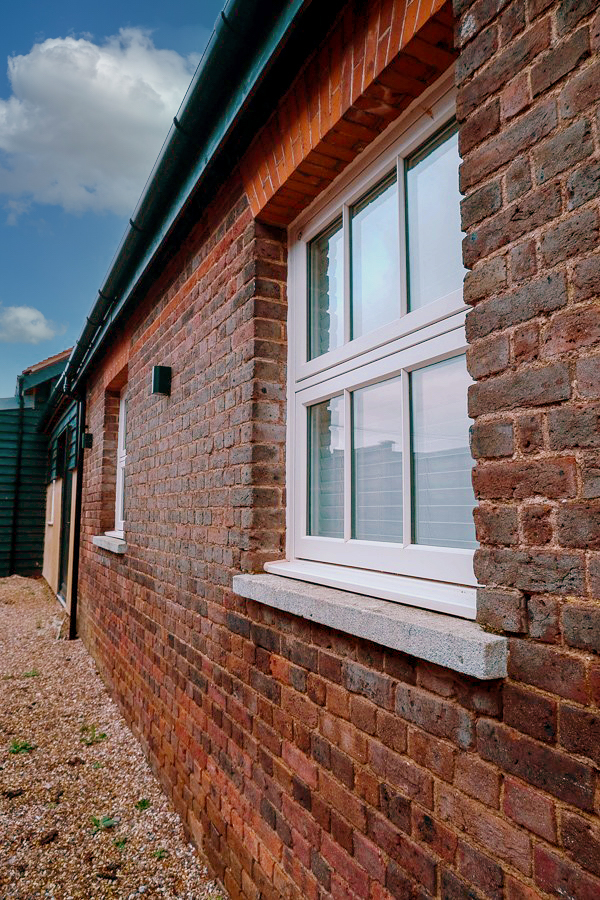
Both options exceed the performance of old windows or single glazing, but they serve different project needs.
When double glazing is the better choice
- Budget-sensitive projects
- Properties where planning restricts frame depth
- Heritage-style windows where slimline profiles are required
Modern double glazing from Bereco achieves U-values starting from 1.3 W/m²K, which is 7% better than the Part L 2023 guidelines.
When triple glazing is the better choice
- New builds targeting high energy efficiency
- Properties in cold or exposed locations
- Homes where lower energy bills and better insulation are a priority
Bereco triple glazed windows and doors achieve U-values from 0.8 W/m²K, which is 43% better than the regulations require.
Pros and cons of triple glazing
Pros:
- Lower heat loss and reduced heat transfer
- Lower energy bills and heating bills
- Can sometimes offer better sound insulation than standard double
- Reduced condensation
- Supports high energy efficiency targets for new builds
Cons of triple glazing:
- Higher upfront cost
- Heavier units, often needing more labour or hired equipment to move and transport
- Less solar gain in some orientations
- Not always a legal requirement, so ROI depends on the project
For retrofit projects where frame replacement isn’t possible, secondary glazing can be a practical alternative, though it won’t match the thermal performance of a true triple glazed window.
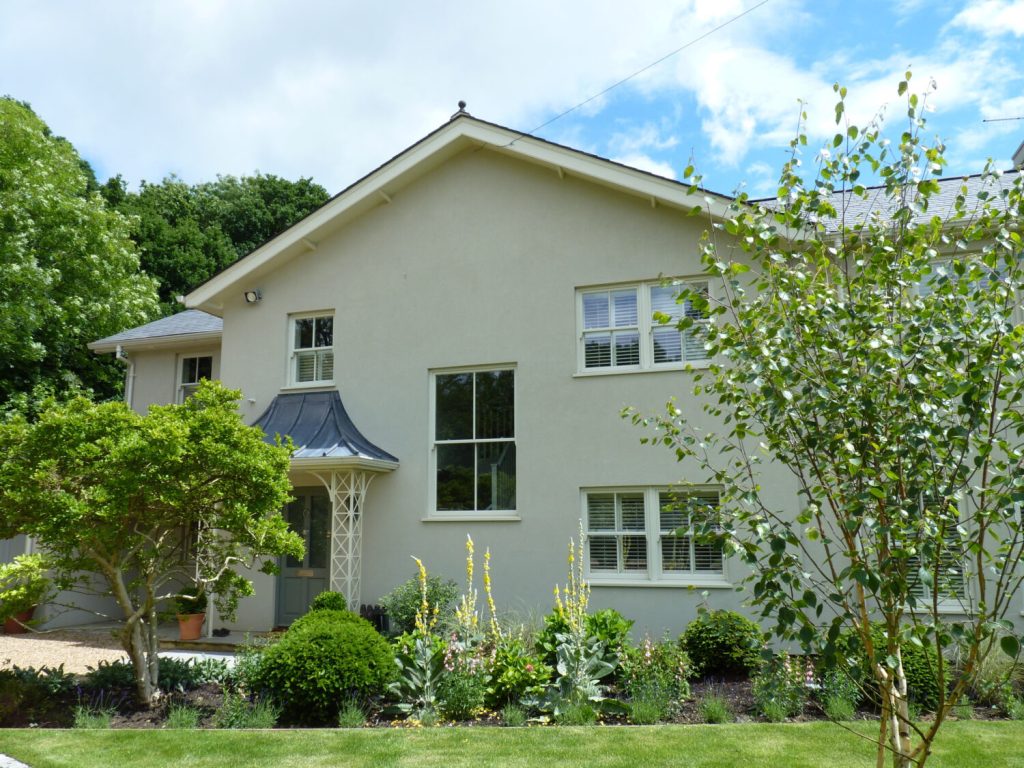
The Bereco range: timber windows and doors built for trade
Bereco has been supplying bespoke timber windows and doors for nearly 20 years, with a 99.5% customer recommendation rate.
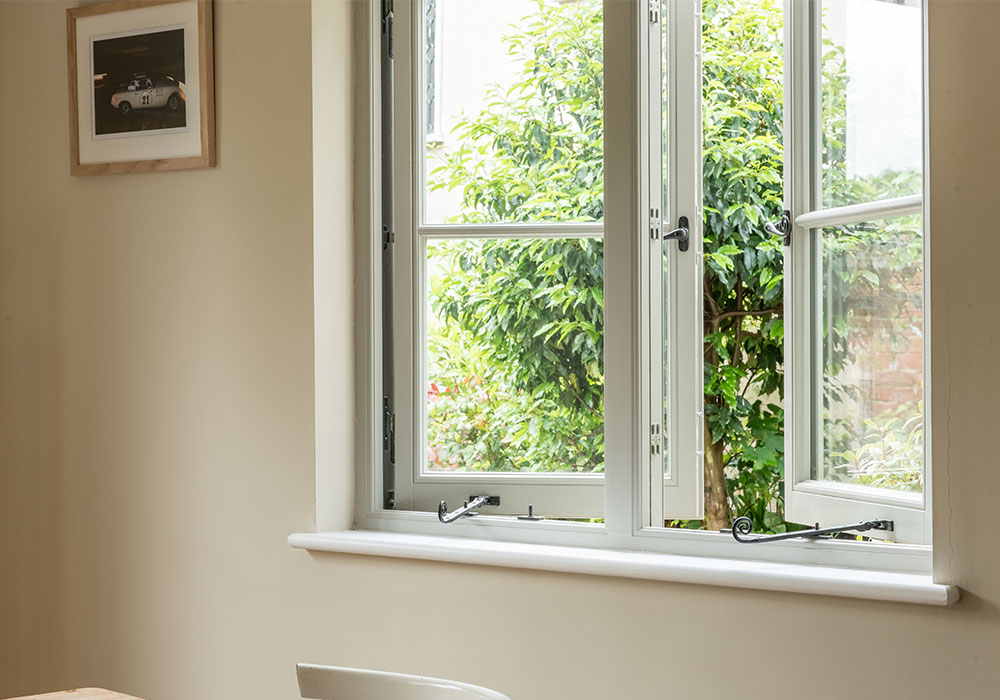
Available window styles include flush casement, lipped casement, sliding sash windows and tilt and turn.
Performance at a glance
- Double glazed U-values from 1.3 W/m²K (7% better than Part L 2023)
- Triple glazed U-values from 0.8 W/m²K (43% better than Part L 2023)
- Standard 24mm double glazing offers 33dB sound reduction
- Acoustic double glazing offers up to 42dB noise reduction (Traditional range)
- 68mm door leaf thickness, exceeding the industry standard
- Up to 60+ year lifespan
- 10-year manufacturing warranty and 30-year timber warranty
- FSC® 100% or 100% PEFC Certified timber
Door ranges
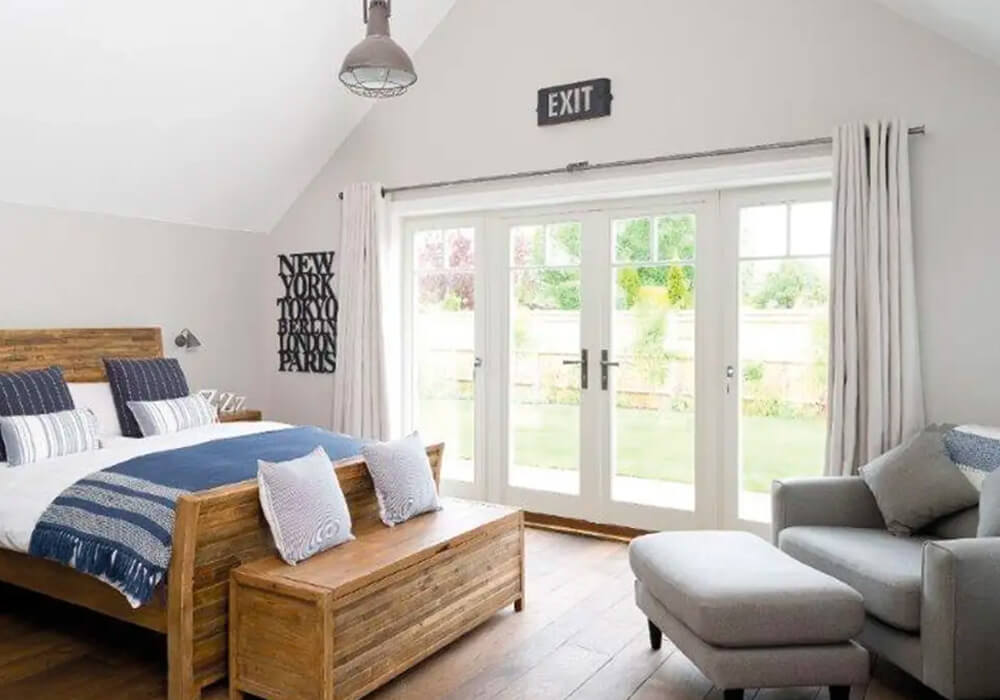
Bereco doors are built to the same exacting standards as our windows, with a substantial 68mm thick door leaf that exceeds the industry standard of 44mm or 54mm. Every door is double weathersealed, Secured by Design approved and fitted with home insurance approved multipoint espagnolette locking and Neighbourhood Watch approved ERA Fortress cylinders as standard.
Available door styles include classic entrance doors, French doors, sliding patio doors and bifold doors.
Like our windows, Bereco doors are available with double or triple glazing, allowing you to match thermal performance to project requirements. Triple glazed doors achieve U-values from 0.8 W/m²K, which is 43% better than Part L 2023, while double glazed options start from 1.3 W/m²K (7% better than the regulations).
All doors are manufactured from FSC® 100% or 100% PEFC Certified timber, carry a 10-year manufacturing warranty and a 30-year timber warranty, and offer an up to 60+ year lifespan.
Trade benefits
- 6 to 8 week lead times all year round
- Dedicated Project Manager on every order
- CAD drawings and technical support
- Mechanical offloading as standard across mainland Great Britain
- Transferable manufacturer’s warranty
Triple glazing cost FAQs
Is triple glazing worth the extra cost?
For new builds, yes. The energy savings, better thermal insulation and improved comfort typically justify the investment over the lifetime of the windows.
Does triple glazing reduce noise?
It offers modest improvements over standard double glazing. For serious noise reduction, acoustic double glazing is often the better choice.
Is triple glazing a legal requirement in the UK?
No. Part L 2023 sets minimum U-values but doesn’t mandate triple glazing. Most UK homeowners can meet regulations with high-performance double glazing.
How long do triple glazed timber windows last?
Bereco timber windows have an up to 60+ year lifespan when correctly maintained.
Are there any disadvantages to triple glazing?
Yes. The main disadvantages are higher upfront material and labour costs, heavier units that need stronger frames, and reduced solar gain on north-facing elevations. Triple glazing is also not always necessary to meet regulations in standard UK homes, so the long term return on investment depends on the project.
Get a free trade quote from Bereco: contact us today
Whether you’re pricing a single plot or a 100-home development, our trade team can help you specify the right glazing for every window style and budget.
Online: complete our contact form, call us on 01709 838188 or email info@bereco.co.uk.