Double Glazed Sash Windows: How Much Should you Pay?
October 5, 2026 | News | Written by Nicola Harrison
Investing in new glazing for a home renovation is a major decision, and one of the most common questions homeowners ask is: How much are double glazed sash windows? Because traditional vertical-sliding joinery features complex moving sashes, balance weights or springs, and deeper frame boxes, the pricing structure differs notably from standard casement designs.
Knowing what to expect helps you budget accurately and evaluate quotes with confidence. Whether you are working on a listed building or upgrading a contemporary property, understanding how specifications influence sash window pricing ensures you make a sound investment.
Breaking down the sash window pricing structure
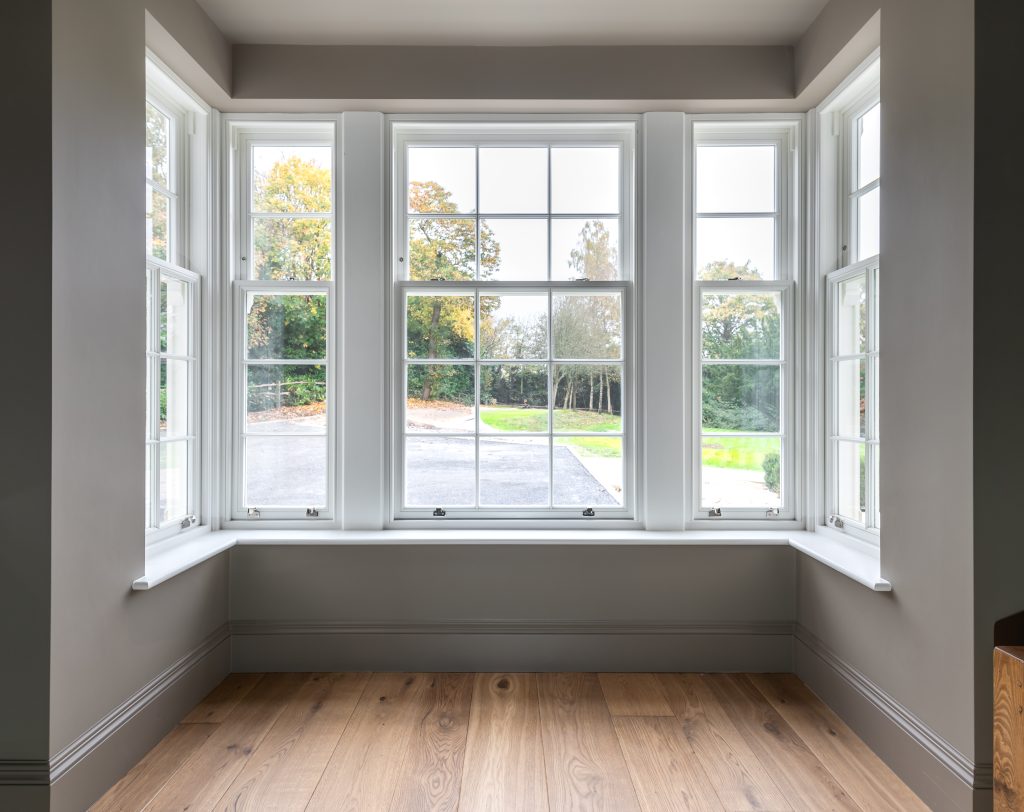
When reviewing accurate quotes for a sash window replacement project, several fundamental factors influence the overall investment required.
- Material choice: While uPVC sash windows offer a lower upfront alternative for standard projects, authentic timber sash windows command a higher price due to the intricate craft and quality of natural materials. In the UK market, a bespoke heritage timber sash typically averages around £1200 – £2500 depending on specification (not including installation).
- Scale of the project: The total cost scales with the number of windows and your overall window size. Standard single room replacements differ significantly from a full-house transformation.
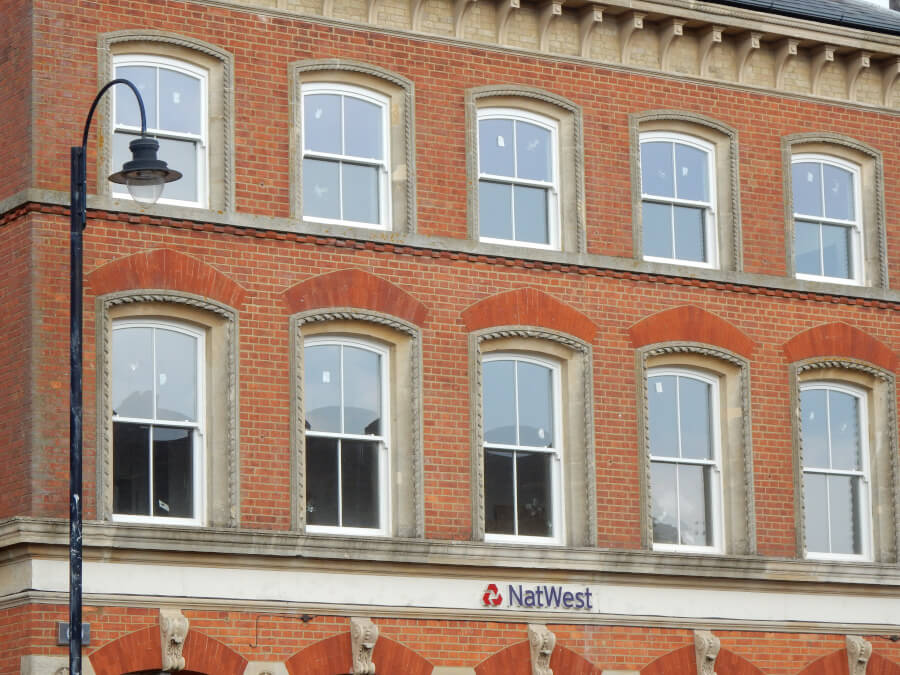
- Regulatory demands: Properties situated within a designated conservation area often mandate strict adherence to historic joinery profiles such as custom horn details, or hand-finished timber architraves. These details can influence design complexity and manufacturing requirements to increase cost.
Hardwood versus softwood: How timber selection impacts price and performance
When choosing timber sash windows, selecting between engineered softwood and hardwood represents one of the most significant decisions affecting your final investment.
Engineered Softwood (European Redwood)
Sourced from slow-growth northern European pine, engineered softwood serves as the standard, highly cost-effective choice for timber windows. Because the wood is multi-layered with opposing grain directions during manufacturing, it resists twisting and warping while offering exceptional natural insulation. Softwood is particularly ideal if you plan to finish your sash windows with factory-applied microporous paint, providing a smooth finish at a competitive and lower cost price point.
Engineered Hardwood (Dark Red Meranti)
Opting for a dense hardwood like Dark Red Meranti generally adds a 15% to 25% premium to the base window cost, affecting sash window prices and installation costs. Hardwood offers superior natural density, exceptional impact resistance, and a rich, textured grain profile. It is the preferred specification for high-exposure coastal locations or for homeowners who want a translucent stained finish that showcases the natural depth of the timber grain.
Standard versus slimline double glazing for sash profiles
Achieving high thermal performance without compromising historic proportions is a key engineering challenge for traditional frames.
- Standard double glazing units: Ideal for modern extensions or properties where frame depth allows, standard units deliver excellent insulation and lower household energy bills.
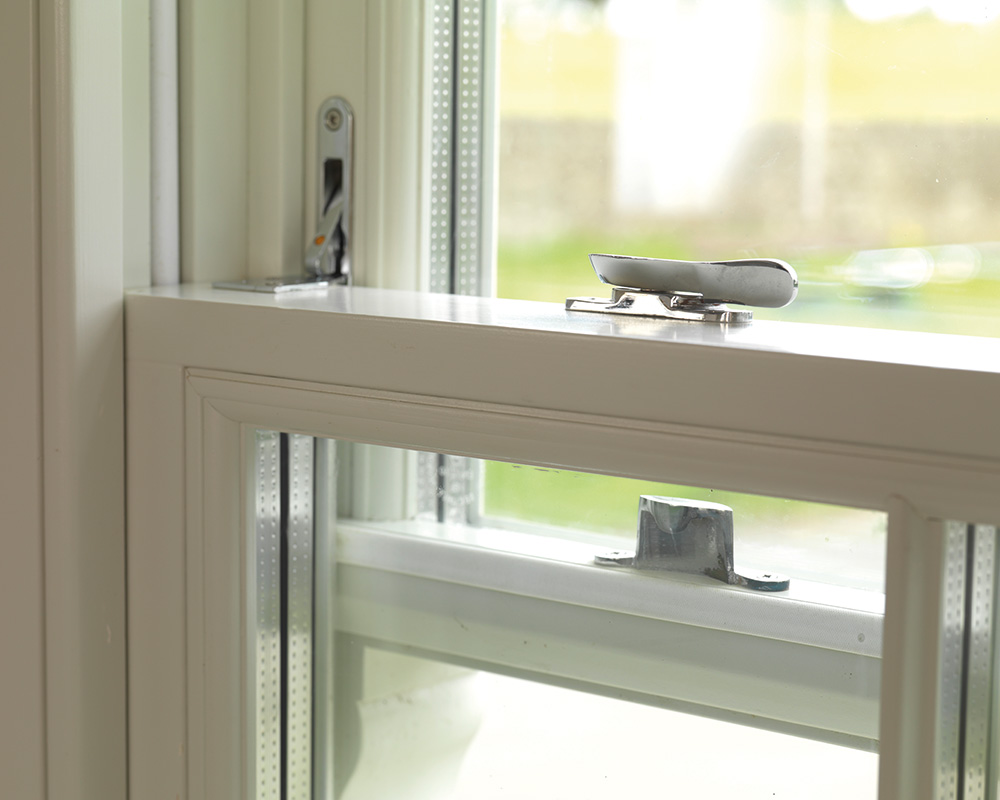
- Slimline double glazing: Specifically engineered for historic period homes, slimline options feature narrower cavity spaces. This allows authentic timber profiles to house high-performance thermal glass without looking bulky or violating local planning standards. Slimline double glazing costs significantly more than standard double glazing – typically adding a 15% to 30% premium per unit. This is largely due to the specialist gas fills: Standard units use cheap argon gas whereas slimline units have micro-cavities and must use expensive inert gases like Krypton or Xenon.
Both options dramatically reduce interior heat loss compared to single-glazed originals, improving overall energy efficiency and lowering energy bills. Other non-standard glazing options such as acoustic glass for superior soundproofing in noisy locations will add additional costs.
What drives cost variation between suppliers?
Quotes can vary significantly between different manufacturers and installers. Understanding the underlying drivers explains these differences.
- Joinery quality and timber sourcing: Premium suppliers use multi-layer engineered wood and sustainably sourced timber that resists warping, backed by robust factory-applied microporous finishes that ensure low maintenance over decades.
- Hardware and security: Integrated multi-point locking mechanisms, authentic sash lifts, and pulleys built with marine-grade metals add to the initial product cost but deliver long-term reliability.
- Installation expertise: Fitting vertical sliding windows requires specialist carpentry skills, particularly when working on older properties with uneven openings or larger windows
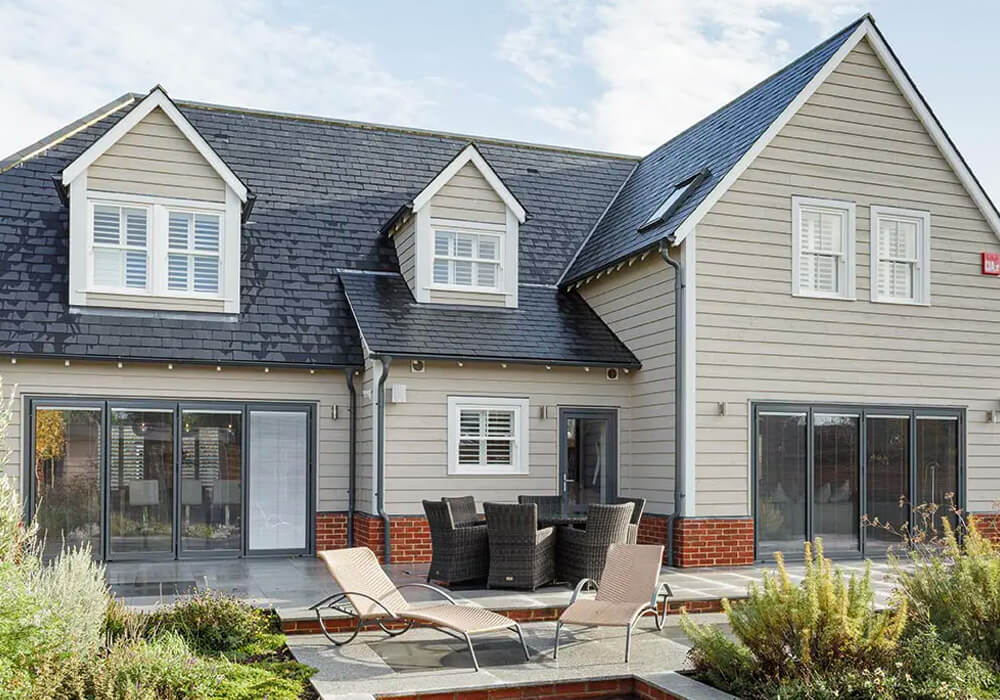
Why Bereco’s timber sash windows offer long-term value
Choosing cheap alternatives can lead to premature replacement and ongoing maintenance headaches. Investing in high-grade wooden joinery safeguards your investment.
Bereco’s bespoke timber designs offer an exceptional lifespan, protecting your property value while delivering superior thermal efficiency. By combining time-tested craftsmanship with modern performance glass, our windows keep your home comfortable, secure, and visually stunning for generations.
Crafted exclusively from FSC® or PEFC 100% certified hardwoods and softwoods, our windows are naturally renewable, carbon-neutral, and kind to the planet.
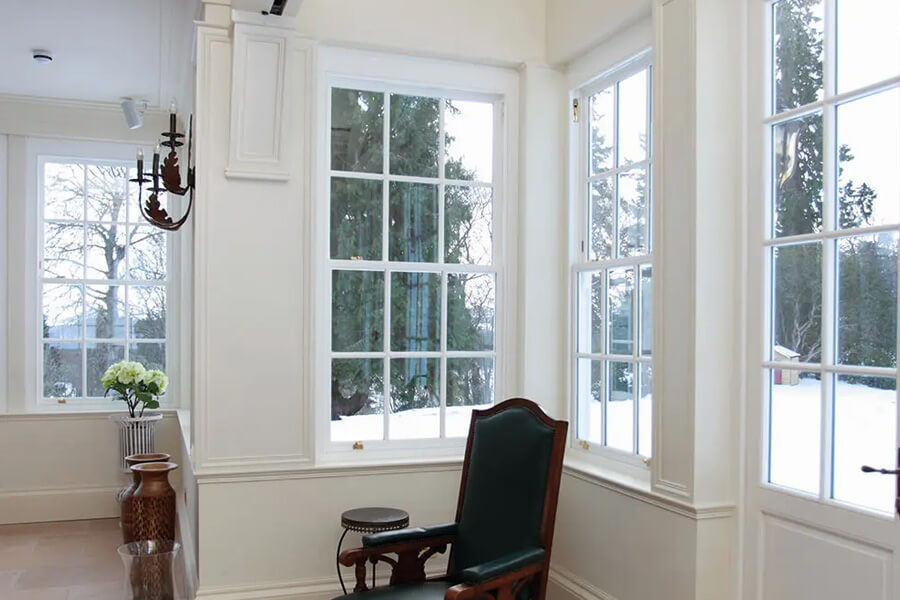
Get in touch with Bereco today
Ready to find out how much new double glazed sash windows are for your specific project? Get in touch with the Bereco team today for expert guidance, detailed product specifications, and a tailored quote, because choosing quality matters.
- Online contact form
- Telephone: 01709 838188